The World Gold Council‘s Gold Demand Trends Report for the fourth quarter and full year 2024 shows that total annual gold demand (including OTC[1]) reached a new record high of 4,974 tonnes, driven by strong, sustained central bank buying and growth in investment demand.
Sign up to our free newsletters
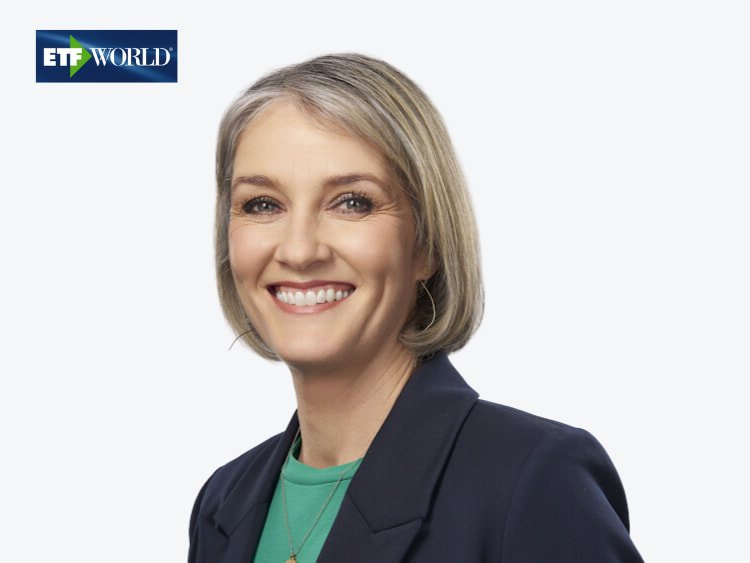
Louise Street, Senior Markets Analyst at the World Gold Council
The combination of record gold prices and volumes resulted in the highest ever total value of demand at USD 382 billion.
Central banks continued to buy gold at a rapid pace in 2024, with purchases exceeding 1,000 tonnes for the third consecutive year. Purchases picked up significantly in the fourth quarter, reaching 333 tonnes, bringing the annual total for central banks to 1,045 tonnes.
Global investment demand rose by 25 per cent year-on-year to 1,180 tonnes (a four-year high), driven by a revival in demand for gold ETFs in the second half of 2024. Global gold ETFs gained 19 tonnes in the fourth quarter of 2024, marking two consecutive quarters of inflows into the asset class. At 1,186 tonnes in 2024, demand for bars and coins remained largely at the same level as in 2023.
Unsurprisingly, high prices dampened demand in the jewellery sector, with annual consumption falling by 11 per cent to 1,877 tonnes. The decline was mainly due to weakness in China (down 24 per cent year-on-year), while Indian demand remained resilient, falling by just 2 per cent in an environment of record high prices in 2024.
The technology sector saw its strongest quarter since the fourth quarter of 2021 with demand of 84 tonnes, while a slight increase in gold used in artificial intelligence (AI) and electronics contributed to a 7 per cent year-on-year increase to 326 tonnes.
Total gold supply increased by 1 per cent year-on-year, reaching a new record high of 4,794 tonnes. Growth in both mine production and recycling contributed to the increase in total gold supply.
Louise Street, Senior Markets Analyst at the World Gold Council, comments:
‘Gold dominated the headlines again in 2024, with prices hitting 40 record highs last year. However, the 2024 demand curve was anything but linear, as central banks saw strong demand in the first quarter, which then weakened towards the middle of the year and ended with a strong fourth quarter. In the second half of the year, we also saw a notable resurgence in demand from Western investors, which combined with notable growth in Asian inflows, pushed global gold ETF inflows into positive territory in the third and fourth quarters. This was fuelled by the start of interest rate cutting cycles by many central banks and heightened global uncertainties, including the US presidential election and escalating tensions in the Middle East.
We expect central banks to remain in the driving seat in 2025 and gold ETF investors will join the fray, especially if we see lower, albeit volatile, interest rates. On the other hand, weakness in jewellery is likely to persist as high gold prices and weak economic growth erode consumer purchasing power. Geopolitical and macroeconomic uncertainty are likely to be dominant themes this year, supporting demand for gold as a store of value and hedge against risk.’
[1] Total gold demand refers to the sum of jewellery manufacturing, technology manufacturing, investments, net purchases by central banks and over-the-counter (OTC) transactions (also referred to as ‘off-exchange’ trading) that take place directly between two parties, as opposed to exchange trading, which is conducted through a stock exchange.
Source : ETFWorld.co.uk
Subscribe to Our Newsletter