
The World Gold Council (WGC) has announced today an initiative to create a new shared market infrastructure designed to support the development of digital gold.
Sign up to our free newsletters
Article created by the editorial staff of ETFWorld.co.uk
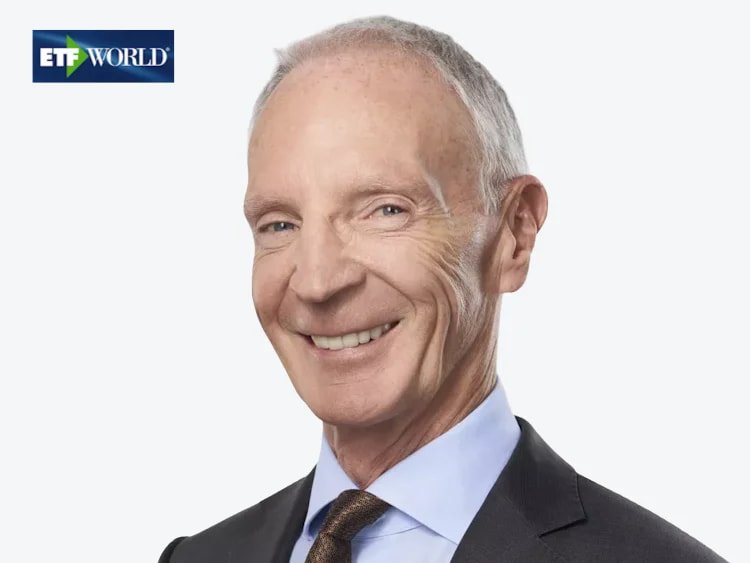
David Tait, Chief Executive Officer of the World Gold Council
The organization has published a white paper, written in collaboration with Boston Consulting Group (BCG), titled “Digital Gold: The Case for a Shared Infrastructure,” which introduces the concept of “Gold as a Service.”
This would be an open platform designed to connect the physical custody of gold with the digital systems used to issue and manage gold-backed products. The goal is to standardize fundamental processes such as custody coordination, reconciliation, compliance, and redemption. The model aims to reduce operational complexity, improve accessibility, and ensure greater uniformity among different digital gold products.
The Structural Bottlenecks
The white paper acknowledges that gold has already undergone significant digitalization: trading, clearing, and record-keeping are now largely electronic, and the range of digital products, such as tokens, is growing. Despite these innovations, digital gold remains limited in scale due to structural constraints. Launching and managing digital gold products is still complex, and the lack of standardization and fungibility limits its integration with modern financial systems.
“Gold as a Service” was conceived as a response to these challenges. Recognizing the physical nature of gold, the model is designed to modernize the integration of the precious metal with an increasingly digital financial ecosystem, while preserving its fundamental characteristics.
Platform Features
According to the document, the platform should include several key features. Product management and issuance would be simplified through standardized infrastructure and operating models. The standardization of processes aims to increase the fungibility of digital gold, allowing it to function as a single asset with consistent value and legal rights. Trust would be reinforced by reconciliation, audit, and assurance mechanisms built into the infrastructure, supporting continuous proof of physical backing. The shared infrastructure is designed to be interoperable, allowing products to integrate more easily with existing market infrastructures and new digital rails. As fungibility and liquidity improve, digital gold could extend its use beyond the traditional role of a store of value, becoming deployable capital in new use cases such as pledging as collateral for loans.
Statements
David Tait, Chief Executive Officer of the World Gold Council, commented: “Financial services are undergoing a rapid and pervasive digital transformation and gold must also evolve to maintain its role in the global financial system. Gold as a Service is the latest step in the World Gold Council’s digital gold innovation programme, designed to strengthen trust, transparency and market efficiency. Shared infrastructure can help gold become more accessible, more easily traded and fully integrated into modern financial systems — ensuring it remains as relevant tomorrow as it has been for millennia.”
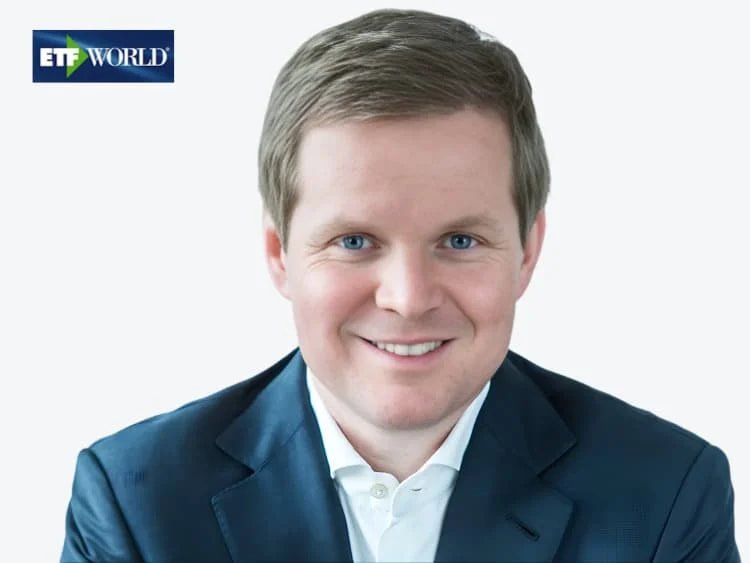 Matthias Tauber, Managing Director and Senior Partner at BCG, added: “The question is no longer whether gold will be digital, it’s how it can participate in modern financial systems without compromising physical integrity. Together with the World Gold Council, we explored what it takes to build trusted rails for digital gold, at market scale.”
The World Gold Council stated it is seeking collaboration from innovators and market participants, both inside and outside the gold industry, to contribute to the development of this shared infrastructure.
Source : ETFWorld.co.uk
Subscribe to Our Newsletter